
How to make a dog gain weight? An optimal body problem is needed to maintain the health and health of a dog. Although more often than dogs need to lose extra weight to achieve a healthy weight, some pet dogs need to best dog food for weight gain. A canine could be undernourished for a range of factors. He might be recovering from a health problem or injury, a recently taken on previous roaming, or merely a choosy eater. With unique care and nourishment, like pet dog food for weight gain, these pets can get back to a healthy weight, supporting happiness as well as vitality.
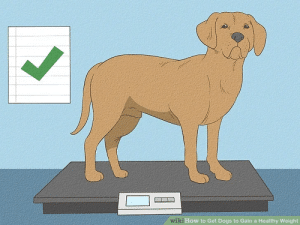
So, just how can you inform if your pet is underweight? One of the most obvious methods is to look at the importance of his bones. Can you see your pet’s ribs, back, and pelvic bones without evidence of fat? Does your dog have low energy? Has his layer shed its sparkle? If so, he could be undernourished and also looking for increased nourishment. See your vet as soon as possible to identify whether there’s a clinical reason for his reduced weight.
Read more: How to Get Dogs to Gain a Healthy Weight
Contents
How To Make a Dog Gain Weight?
Vet recommendations
After your vet confirms that your canine’s reduced weight is not a result of a clinical problem, you can begin to help your dog attain a healthy weight. First, include even more calories in his diet regimen. The most effective solutions for pet food to gain weight are high levels of calories and healthy protein.
Should we change dog food?
Think about changing to a dog food like Purina ONE ® SmartBlend ® True Impulse Nutrient Dense Grownup Solutions, which has 30% healthy protein, 17% fat as well and actual meat as the # 1 component. Next off, offer your pet dog a lot more opportunities to eat throughout the day, so he’s sure to get the calories he requires. Adhering to the feeding guidelines on the bundle, split up his everyday feeding quantity right into small meals fed throughout the day. For example, if you generally feed them two big meals a day, supply them with 4 smaller-sized dishes.
You can also attempt leaving the day-to-day offering of dry food out all the time, enabling your pet dog to eat whenever he’s starving. This tends to function best with pet dogs that have smaller-sized hunger. Pets that rapidly demolish their food might eat excessively at the same time and experience digestive upset. Likewise, this technique just deals with completely dry kibble, as damp canine food will be ruined if omitted all the time.
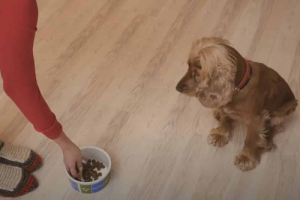
If your pet dog is a picky eater, attempt to lure him with a wet food mattress topper. Merely include a scoop of wet or canned food to his completely dry kibble for a boost of taste as well as moisture and some added calories! If he still rejects the food, you may need to change to a different formula of pet food to gain weight.
CONCLUSION
Your vet may suggest feeding greater than the recommended amount on the bundle up until your pet gets to a healthy and balanced weight. Then, cut down to the feeding amount suggested for maintenance.
You can continue to feed the high protein dog food for weight gain after your pet dog has attained a healthy weight, as long as your canine is energetic as well as obtains a lot of exercise. Remain to check your dog’s weight consistently, as well as see your veterinarian if the weight reduction continues. Visit our homepage to see more: Fordogsreviews.com
FAQs
What Dietary Adjustments Can Help a Dog Gain Weight?
To facilitate weight gain in dogs, it’s crucial to provide a balanced diet rich in protein and healthy fats. Incorporating nutrient-dense foods like chicken, beef, or salmon can promote muscle growth. Additionally, adding supplements like omega-3 fatty acids can enhance caloric intake and promote a healthy coat, aiding in weight gain for your furry friend.
Are There Specific Exercises to Help Dogs Gain Weight?
While exercise is essential for overall health, specific routines can aid in weight gain for dogs. Incorporating activities that build muscle mass, such as strength training or agility exercises, can help your dog gain a healthy weight. However, it’s crucial to tailor the exercise regimen to your dog’s age, breed, and current health condition for optimal results.
What Medical Conditions Could Be Hindering a Dog’s Weight Gain?
Sometimes, underlying health issues can impede a dog’s ability to gain weight despite a proper diet and exercise regimen. Conditions like parasites, thyroid problems, or gastrointestinal disorders may affect nutrient absorption or metabolism, leading to weight loss or difficulty gaining weight. Consulting with a veterinarian to rule out any medical concerns is essential for devising an effective weight gain strategy for your pet.
See also: